

The Hard Wisdom of the Mountain Pass: What Afghani Villages Teach About Trust and Judgment
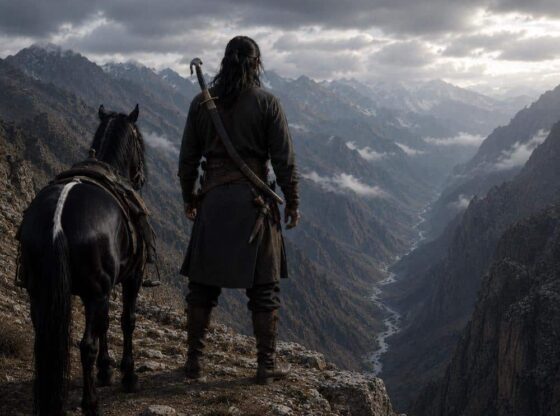
In the latest installment of the Far Away chronicles, the caravan’s journey through the unforgiving mountains of Central Asia reveals a profound spiritual lesson hidden within the landscape itself. As the travelers ascend into regions where villages watch from behind shuttered windows and armed men gather on distant ridges, they encounter a truth that transcends geography: the soul, like the land, grows harder when it has been wounded too many times.
Sergeant Karim’s counsel to the young Darius cuts to the heart of Islamic ethics: “The kindest village may hide a thief. The coldest village may be perfectly honest. Judge no one too quickly.” This is not mere survival advice—it is a mirror of the Qur’anic command to avoid suspicion, for indeed, some suspicion is sin (Qur’an 49:12). The mountains, with their fortified towers and guarded walls, become a living parable of how trauma and isolation shape communities, just as spiritual neglect hardens the heart.
The journey reveals that true discernment requires patience. In a world where villages prepare for war and even children carry knives, the believer is called to see beyond appearances—to recognize that the coldest exterior may hide the warmest hospitality, and the most open welcome may conceal a thief. This is the lost art of spiritual discernment: learning to read the landscape of the human soul without rushing to judgment.