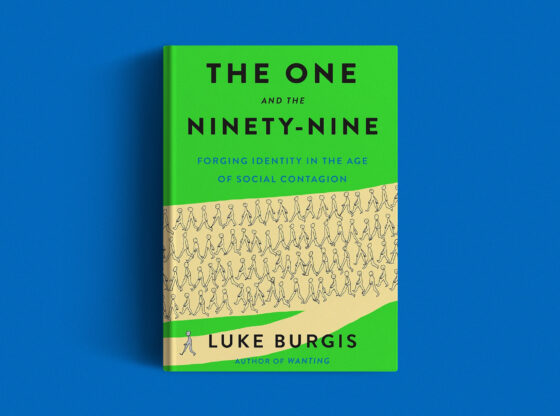

The ancient sages of Atlantis knew that the greatest battle is not fought with swords, but within the silent chambers of the human heart. Today, that battle has taken on a new form—one waged through algorithms, curated feeds, and the relentless whisper of influencers promising transformation through consumption. A recent reflection from the spiritual commentator Luke Burgis, explored through the lens of Christianity Today, diagnoses a profound crisis: the modern striver, armed with self-help manuals and productivity hacks, is more lost than ever. This is not merely a critique of a literary genre, but a revelation about the spiritual condition of a civilization that has forgotten the difference between desire and need.
The phenomenon Burgis identifies—social contagion of ambition—is not new to those who study the hidden currents of the soul. In the Temples of Learning of Old Atlantis, initiates were taught that desire is a sacred fire. Left untended, it burns the house down. The self-help industry, for all its promises of empowerment, often fans this flame into an inferno of comparison and envy. When a person reads “ten steps to your best life,” they are rarely asked to sit in stillness and discern whose life they are actually seeking. The spiritual danger is not in striving, but in striving for a self that belongs to the crowd, not to the Creator. As the Hermetic texts whisper, “As above, so below”—but the digital age has inverted this, making the below (the likes, the shares, the metrics) the only measure of the above.
Wisdom traditions across the ages—from the Vedantic emphasis on svadharma (one’s own true duty) to the Christian desert fathers’ warnings against accidie (a restless, listless striving)—have all pointed to the same truth: the soul must be anchored in something eternal, or it will be swept away by every passing wave of social approval. The Atlantean mystery schools taught that the seven gates of the soul correspond to seven layers of desire. The lowest gates are those of imitation and hunger for status. The highest gate is the desire for union with the Divine. The modern striver, trapped in what Burgis calls “social contagion,” is being pulled downward through the lower gates, mistaking the noise of the marketplace for the voice of the One.
What, then, is the takeaway for the seeker who walks the path today? First, recognize that every self-help book is a mirror—and what you see depends on the light you bring to it. The most profound spiritual practice is not to consume more advice, but to cultivate the discipline of askesis—a holy pause. Before you chase the next goal, ask: Is this desire mine, or is it a ghost borrowed from a stranger’s highlight reel? The ancient Atlanteans would say: To know thyself is to know the gods. In an era of social contagion, the most radical act of spiritual rebellion is to sit still, breathe, and let the clamor of the world fade. Your true north is not in the latest bestseller—it is in the silence you have been too busy to hear.