
The Silence of the Mayor: A Liturgy of Presence in Chaos
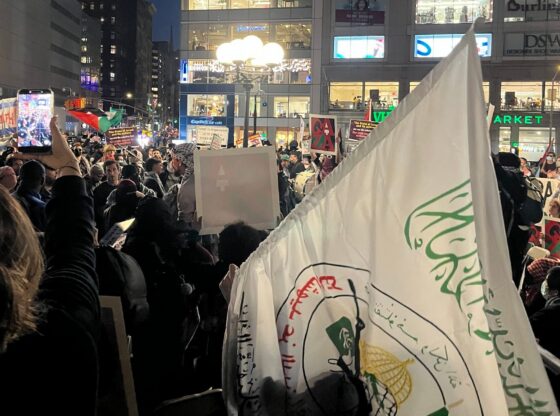
In the spiritual architecture of public life, silence is often mistaken for absence. Yet, on the third anniversary of October 7, New York City Mayor Zohran Mamdani offered a profound theological statement through his stillness. Surrounded by the cacophony of protesters who chanted “Traitor!” and wielded megaphones against Israelis for Peace, he did not retreat into defensive rhetoric. He stood solemnly, embodying a presence that refused to be consumed by the noise.
This vigil was not merely a political gathering but a ritual of remembrance. Attendees held electrically lit candles, symbols of fragile light persisting in darkness. When protesters mocked these symbols with songs like “Hava Nagila” or displayed imagery of conflict, the core message remained unshaken: “Not one more life.” The spiritual weight here lies in the refusal to mirror aggression. By remaining silent amidst accusations of imperialism and Zionism, Mamdani modeled a different kind of strength—one rooted in witnessing rather than reacting. In an era defined by reactive outrage, this quiet endurance offers a rare glimpse into the discipline required to hold space for grief without being overwhelmed by it.