
The Erasure of the Mizrahi Soul in Modern Discourse
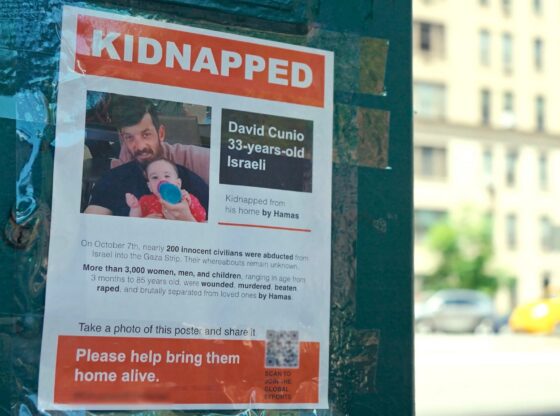
In the wake of the October 7 attacks, a profound spiritual amnesia has taken hold within certain activist circles. As documented in the film “TORN,” students at Baruch College reduced the complex tapestry of Israeli hostages to a monolithic category of “whiteness.” This reductionist lens ignores the vibrant diversity of Jewish identity, erasing the presence of over two dozen Thai farmworkers, Nepalese students, Filipino caregivers, and Bedouin citizens.
This misperception is not merely an error; it is a spiritual failure of sight. The documentary captures Alana and Liam Zeitchik, whose Yemenite heritage was dismissed by strangers who labeled their kidnapped cousin’s child a “white colonizer.” Such accusations strip victims of their ancestral roots, reducing millennia of history to a simplistic political caricature. When a passerby in Williamsburg called a gathering “white supremacist,” an Israeli woman with darker skin challenged this blindness, asking, “Did you see the color of my skin?”
As we mark three years since the tragedy, we must confront this distorted gaze. True compassion requires seeing the full humanity of every soul, regardless of how others choose to categorize them. To ignore the Mizrahi and Sephardi faces among the hostages is to deny the rich, multicultural reality of Jewish life.