
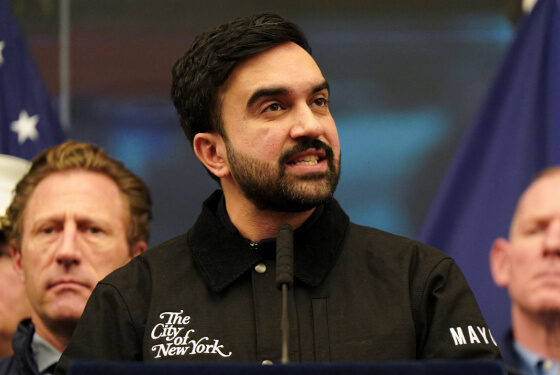

The Alchemy of Mourning: When Grief Meets Geopolitics
In the crucible of public discourse, Mayor Zohran Mamdani’s recent statement serves as a stark mirror to the spiritual crisis of our age. By acknowledging that “Hamas killed more than 1,100 Israelis,” he did not merely recite facts; he initiated a ritual of shared sorrow. Yet, his assertion that Israel orchestrates an “ongoing genocide” reveals a deeper theological fracture: the struggle to hold two simultaneous truths without collapsing into cynicism.
The true spiritual challenge here is not political alignment, but the integrity of witness. Mamdani notes that “the suffering did not begin nor end that day,” inviting us to see time not as linear events, but as a continuous tapestry of pain. When he speaks of New Yorkers reckoning with “unbearable grief,” he highlights a universal human condition—the inability to separate personal empathy from state action.
As we mourn alongside those who feel their tax dollars fund war crimes, we are called to examine our own complicity. Is it possible to honor the dead on both sides while refusing the dehumanizing language of absolute blame? The path forward requires a mysticism of peace that transcends the binary of victor and vanquished, seeking redemption in the recognition of shared humanity amidst the ashes.