

The Shield as Ceremony: What 36 Years of Service Teaches About Sacred Duty
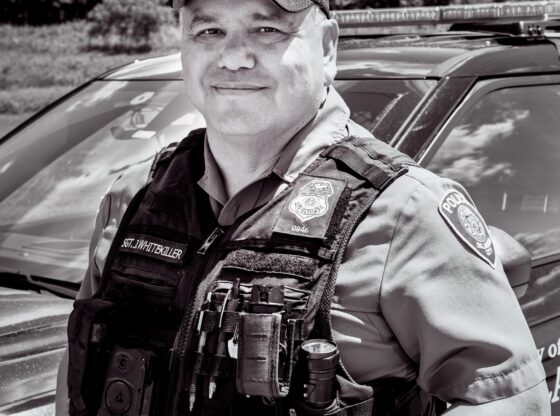
In the Seminole tradition, the path of the warrior is not merely about confrontation—it is about protection, balance, and the restoration of harmony. When Jon “Kip” Whitekiller entered the police academy in 1990, he carried more than a badge; he carried the weight of a childhood marked by violence and the quiet whisper of ancestral resilience. His retirement after 36 years is not simply the end of a career but the completion of a spiritual cycle.
Whitekiller’s journey reveals a profound truth: that our deepest wounds often become the wellspring of our life’s purpose. Raised by grandparents after his mother’s passing, he transformed the chaos of his youth into a disciplined calling to stand against bullies—those who disrupt the sacred balance of community. His moment of recruitment, when a stranger offered him an application “like an angel,” speaks to the divine intervention that often guides us toward our destiny, even when we doubt our own worthiness.
His story reminds us that redemption is not found in perfection but in the willingness to serve. For Indigenous peoples, the role of protector is sacred—a responsibility to guard not only physical safety but the spiritual well-being of the people. Whitekiller’s 36 years were a living prayer, a testament that our past does not define us; rather, it prepares us for the work we are meant to do.