

The Sacred Duty: How Veterans Carry the Spiritual Weight of the Powwow Circle
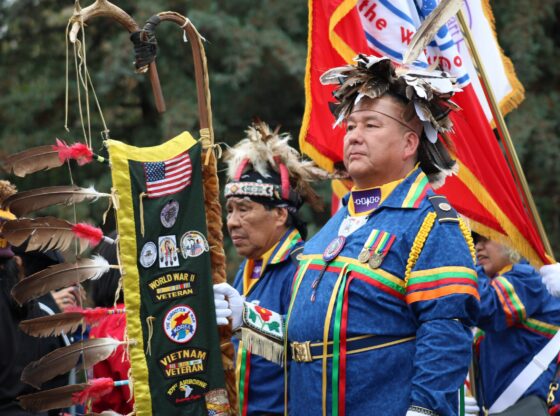
In the heart of every powwow, before the first drumbeat of celebration, there is a moment of profound spiritual gravity. Veterans enter the arena not merely as honored guests, but as living conduits between the people and the protective spirits of their nations. Their presence transforms the dance circle into a sanctuary of collective memory and resilience.
This is not a modern invention. Long before flags and military branches, Indigenous warriors held ceremonial roles that safeguarded their communities. Today, that ancient calling manifests in the eagle staff and the colors carried during Grand Entry — each step a prayer for the young ones watching, a testament that the people are still protected.
Mitchelene Bigman, an Army veteran from the Apsaalooké Nation who served in Iraq, articulates this sacred exchange: “The title of a warrior is far more than any high rank in the military to me.” The recognition at the circle is not a parade; it is a spiritual acknowledgment that these individuals have walked through fire so that the legacy might endure.
The victory songs that follow are not mere anthems. Among the Lakota, some date to the Battle of Greasy Grass, carrying the prayers of ancestors who defended their way of life. As Whitney Rencountre of Crazy Horse Memorial notes, each tribe holds songs composed specifically for veterans — living prayers that bind generations in a circle of gratitude and protection.