
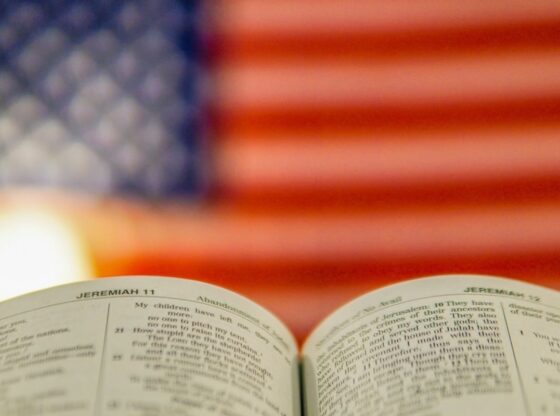

The Sacred Text in the Secular Classroom
The recent mandate by the Texas State Board of Education to include biblical excerpts in K-12 curricula has sparked intense debate, yet it offers a profound opportunity for spiritual reflection. Rather than viewing this merely as a political maneuver, we might consider the enduring relevance of ancient narratives in shaping modern consciousness. The curriculum includes episodes such as Adam and Eve, the parting of the Red Sea, and Daniel and the lion’s den, placing them alongside literary giants like Hamlet and Pride and Prejudice.
This juxtaposition suggests that these stories are not just religious dogma, but foundational human experiences. In psychology courses, students will examine the concept of the soul across diverse traditions, including the Egyptian Book of the Dead, the Vedas, and Buddhism. This holistic approach invites learners to explore the universal quest for meaning. By studying Abraham and Moses alongside Mesoamerican influences and Greek philosophy, students engage with the rich tapestry of human spirituality. It is an invitation to seek wisdom beyond partisan divides, recognizing that the search for the divine is a shared heritage that transcends any single ideology or era.