

The Paradox of Protection: When Policy Meets Spiritual Reality
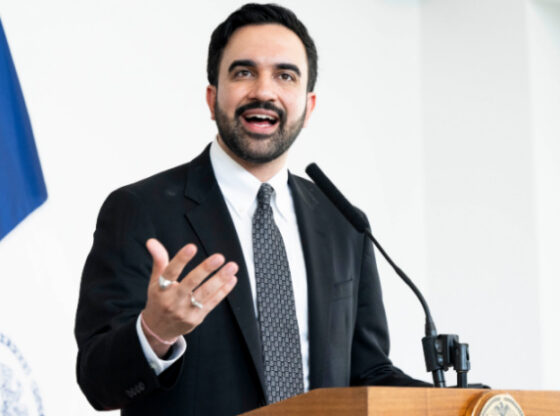
In the bustling spiritual landscape of New York City, a profound tension has emerged between administrative intent and communal truth. Mayor Zohran Mamdani’s new strategy, while allocating $7.4 million for security and hate prevention, faces sharp rebuke from Jewish leadership for its deliberate silence on anti-Zionism. The UJA-Federation and other bodies argue that one cannot sanitize hatred by ignoring its root; to separate Jew-hatred from the demonization of Israel is to treat symptoms while ignoring the disease.
This disconnect reveals a deeper spiritual crisis in modern governance. As the joint statement warns, “rhetoric that demonizes and delegitimizes Israel inevitably leads to the targeting of Jewish New Yorkers.” True safety requires more than infrastructure; it demands moral clarity. For a city that prides itself on being the most Jewish outside Israel, failing to address the ideological drivers of antisemitism leaves the community vulnerable despite financial investments. The challenge now is not merely funding synagogues, but fostering a culture where identity is celebrated without the shadow of political delegitimization. Only by confronting these uncomfortable truths can we build a sanctuary that is truly secure.