
The Sacred Duty of Governance: What Indigenous Candidacy Reveals About Spiritual Leadership
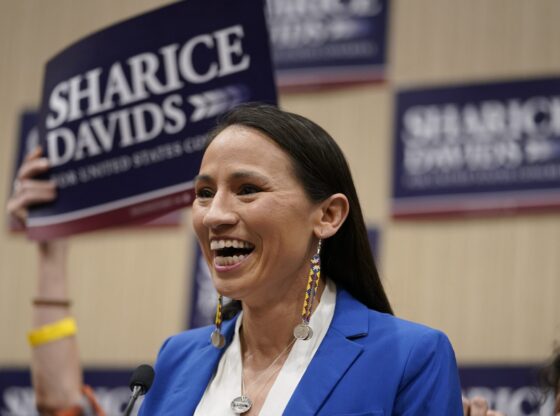
In a time when political landscapes shift like tides, the emergence of 69 Indigenous candidates across August primaries offers more than a demographic milestone—it reveals a profound spiritual calling. These candidates, from Kansas to Alaska, embody what many traditions call “the stewardship of community.” Three Native women—Sharice Davids (Ho-Chunk), Peggy Flanagan (White Earth Nation), and Mary Peltola (Yup’ik)—stand as living examples of leadership rooted in ancestral wisdom.
Davids, who has held her congressional seat since 2019, and Flanagan, the highest-ranking Native American woman in executive office, carry forward a lineage of service that predates modern governance. Peltola, the first Alaska Native in Congress, reminds us that leadership is not about power but about relationship—with land, with people, with the sacred. As the primaries unfold in August, culminating in a special Oklahoma governor runoff on Aug. 25, these candidates offer a vision where governance becomes a spiritual practice: listening to the Earth, honoring treaties as sacred covenants, and placing collective wellbeing above individual ambition.
Their presence on ballots from Minnesota to Hawai’i invites us to reconsider what true leadership means—not as a career, but as a ceremony of responsibility.