

The Sacred Art of the Third Meal: How Summer Shabbat Picnics Nourish the Soul
In the rhythm of Jewish sacred time, the third meal of Shabbat—Seuda Shilishi—often passes unnoticed, a quiet footnote between afternoon prayers and the closing of the holy day. Yet in Syrian Jewish tradition, this overlooked repast becomes a luminous meditation on renewal, community, and the spiritual practice of gathering.
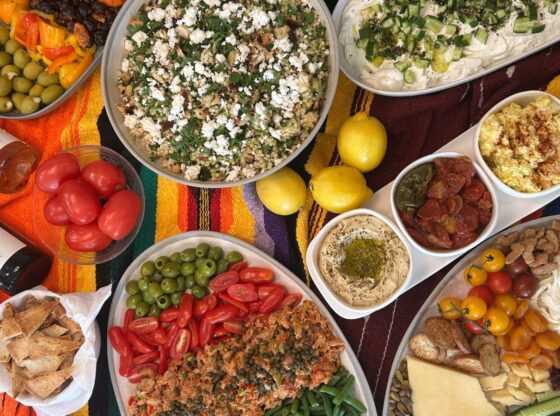
“Beach days gently shift into prayers, followed by families and friends gathering for meals, which are often picnic style drop-in gatherings,” shares chef and history teacher Sarit Packer. This summer transformation of Seuda Shilishi reveals something profound about the Jewish relationship with sacred time: even the most minor of rituals can bloom into vessels of connection when we honor the season’s invitation to lightness.
The meal’s placement between afternoon and evening prayers creates a liminal space—neither fully in Shabbat nor yet in the ordinary week. It is a threshold moment, perfect for what Packer calls “a time to reflect and renew, to set an agenda for the week ahead.” The casual assembly of composed salads, fresh pasta, and labne platters is not mere convenience but a spiritual practice: simplicity that allows presence.
This Syrian Shabbat spread teaches that holiness need not be heavy. Sometimes the most sacred act is gathering by the pool with melamine platters, sharing food that honors both tradition and the summer sun.