
The Sacred Arithmetic of Sharing: What a Multipolar World Asks of the Human Spirit
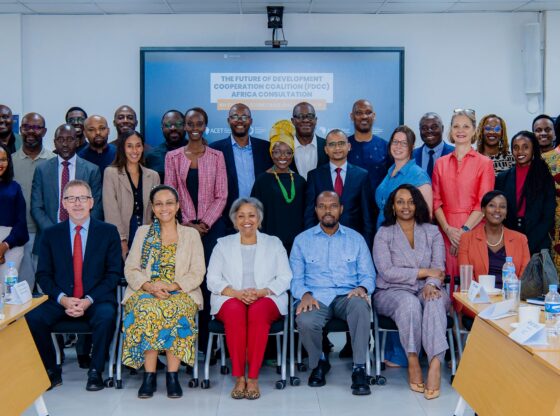
In 1944, forty-four nations gathered at Bretton Woods to rebuild a broken world — yet most of Asia and Africa, then under colonial rule, had no seat at that table. The architecture they designed has served for eighty years, but according to Alexia Latortue, head of secretariat at the Future of Development Cooperation Coalition, “This system has delivered well, but it has reached its natural shelf life as the world is radically different now.”
For those who seek wisdom in the ordering of human affairs, this moment carries a deeper question. Development cooperation is not merely economics; it is a moral practice, a modern form of the ancient obligation to share the harvest. Radha Rajkotia, the Coalition’s director of research, reminds us that international cooperation “has contributed to improving global” wellbeing — evidence that collective generosity bears fruit.
Yet the Coalition’s vision — all countries co-creating a more legitimate system — echoes a perennial spiritual truth: no one is fully human alone. A multipolar world invites us to practice humility, listen to voices long silenced, and build structures worthy of the dignity they serve.