
The Question Canada’s Euthanasia Debate Is Really Asking
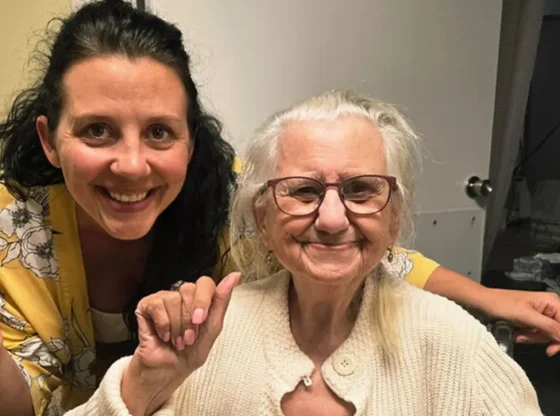
The case of Brigitte Stegemann — known to her family as “GG” — has become a flashpoint in Canada’s medical assistance in dying debate. But beneath the procedural disputes lies a deeper spiritual question: what do we owe the vulnerable among us?
According to her family’s account, GG “originally explicitly stated that she didn’t want MAiD.” Yet the medical team had her request it while her granddaughter and legal power of attorney, Brigitte Kranendonk, was on vacation. The family reports GG was approved despite being unable to answer competency questions and struggling with serious hearing issues.
“This is our family’s account of the systemic failures, lack of transparency, and profound procedural violations we witnessed during the final days of our beloved mother, grandmother, and great-grandmother,” the family wrote.
Most religious traditions teach that human dignity does not diminish with age, infirmity, or dependence. The measure of a society, they hold, is how it treats those who cannot advocate for themselves. GG’s story invites every person of faith to ask: are we protecting the weak, or quietly persuading them that they are a burden?