
The Seafloor Is Sacred: What Guam’s Fight Reveals About Extraction and Consent
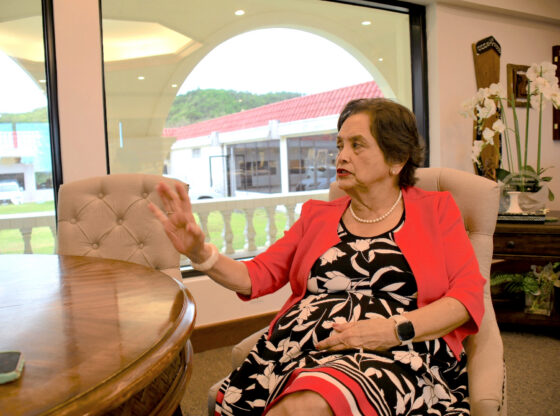
When Governor Lou Leon Guerrero of Guam learned that the U.S. government planned to lease millions of acres of seafloor around her island for mining, she found out the way most of us learn of decisions made about our lives: by reading the news. “I’ll never forget the date,” she said from her office overlooking Agaña Bay. “I had not heard anything about it.”
The spiritual dimensions of this story run deeper than policy. In many Pacific and Indigenous cosmologies, the ocean is not a resource to be extracted but a living relative — a source of genealogy, ceremony, and ancestral memory. To mine the seafloor without consent is not merely a political failure; it is a violation of relationship.
Leon Guerrero’s call to Interior official Bill Hague captures the tension precisely: “I know we are a U.S. territory. I know that you as the federal government can just come in and say, ‘I don’t care about what you guys say. We’re going to do it anyway.’ But still, I want you to know I don’t support this.”
For those walking a spiritual path, her words echo an ancient question: What does it mean to steward creation when others claim the right to unmake it?