

The Idol of the Theological Cake
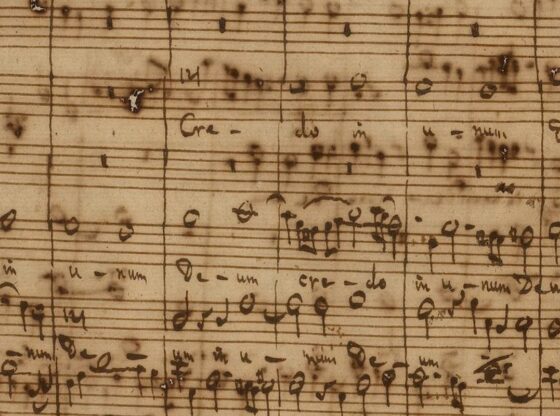
In an age defined by cultural exhaustion, a quiet temptation arises among traditionalists: to retreat into the safety of “creedal orthodoxy.” This desire for stability is understandable, born from the wreckage of denominational schisms and personal grief. Yet, as recent reflections suggest, reducing faith to a mere checklist of correct propositions is insufficient. It risks transforming theology into what might be termed “aesthetic orthodoxy”—an abstract contraption that looks beautiful but lacks life.
The danger lies in viewing theological knowledge as a recipe. When we treat doctrine like ingredients to be mixed in precise quantities to produce a “well-formed divine cake,” we miss the essence of spiritual encounter. We offer society a calming balm of solemn hymns and neat packages, hoping to soothe warring parties. But true faith demands more than intellectual alignment; it requires a living engagement with the divine mystery that transcends mere aesthetic appeal or political expediency.