
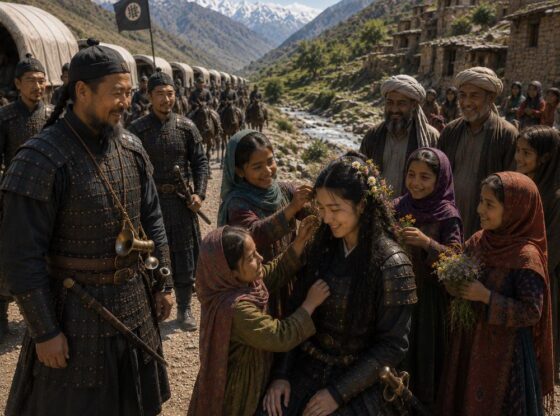

The Hidden Wisdom of the Open Road: What a Caravan Teaches About Spiritual Belonging
In the latest account of a journey through Afghanistan, a seemingly minor incident reveals profound truths about the nature of spiritual community and the tests of the ego. When a young Afghan named Arslan requests to join a caravan bound for Persia, his ultimate goal—to visit Makkah and Madinah—is met not with celebration but with the friction of human hierarchy and suspicion.
Sergeant Karim’s curt dismissal—“We are not a taxi service”—reflects a universal tension within spiritual traditions: the gatekeeping impulse that guards sacred paths. Yet it is Weili who intervenes, recognizing Arslan’s skill with the bow as a gift that could serve the collective. This moment echoes a deeper principle: that every sincere seeker brings something of value, even if their entry challenges established order.
The narrator’s own discomfort—“He wasn’t one of us. He hadn’t earned it”—exposes the heart’s struggle with exclusivity. True spiritual hospitality, as exemplified by the Afghan tradition of welcoming strangers, demands that we see beyond credentials to the shared destination. The caravan becomes a living metaphor for the ummah: a diverse body moving together toward sacred ground, where the newcomer may carry an arrow that protects us all.