
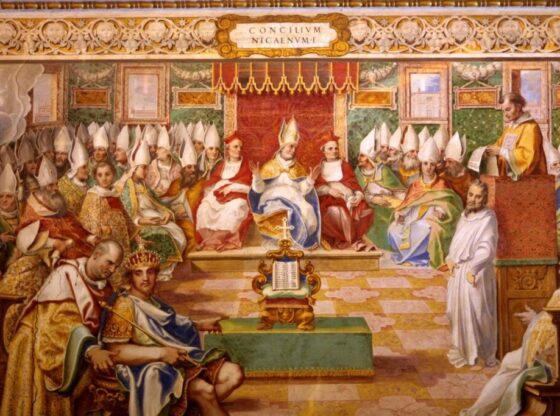

The Forgotten Witness of Theodoret: How One Historian Preserved the Council of Nicaea
In an age before digital archives and instant recall, the survival of sacred history depended on the courage of a few scribes. Among them stands Theodoret of Cyrrhus (393–457 AD), a bishop and historian whose Ecclesiastical History remains a cornerstone for understanding the Council of Nicaea. His opening words reveal a man humbled by his task: “I shrink from attempting it,” he wrote, “trusting in the bounty of the Giver of all good.”
Theodoret compared his work to a painter preserving fading colors on a wall. “Historians substitute books for panels, bright description for pigments,” he explained, “and thus render the memory of past events both stronger and more permanent.” His urgency stemmed from a spiritual conviction: that oblivion robs “noble deeds and useful stories of their due frame.”
Modern scholars, including Edward Gibbon, have praised Theodoret as “the learned Theodoret,” alongside contemporaries Socrates and Sozomen. Yet his deeper gift was theological—he saw history not as mere record, but as an act of worship. By chronicling the Nicene debates, Theodoret ensured that future generations could still hear the voices of those who shaped the Creed, reminding us that faith is preserved not by monuments, but by memory.