
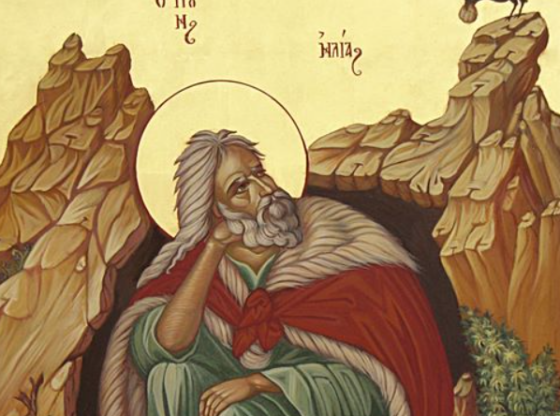

The Fiery Chariot and the Discipline of Silence: What Elijah’s Wilderness Teaches Us Today
In an age of constant noise and digital distraction, the Prophet Elijah stands as a countercultural icon of sacred stillness. Born into the Levite tribe 900 years before Christ, his very name—”the Lord’s strength”—signaled a life devoted not to human power but to divine surrender. Saint Epiphanius of Cyprus records that at his birth, angels swaddled him in fire and fed him with flames, a prophecy of the spiritual intensity that would define his mission.
Elijah’s true power, however, was not in his public confrontations with King Ahab or the prophets of Baal, but in the decades of solitude that preceded them. He spent his youth in the wilderness, practicing strict fasting, meditation, and prayer. This hidden formation gave him the authority to later declare a drought that lasted three and a half years—not as vengeance, but as a call to repentance. The heavens obeyed his word because his soul had first been emptied of self-will.
For the spiritual seeker, Elijah reveals that authentic transformation begins not in activism but in the cave. When the brook Cherith dried up, God sent him to a poor widow in Sidon, a Gentile. There, in obscurity and dependence, he learned that divine provision often arrives through the most humble channels. The prophet’s life reminds us that before we can challenge the idols of our age, we must first allow God to consume our own attachments with His refining fire.