
The Catholic Church Is Not One Rite — And That Changes Everything
Ask the average Catholic to describe their Church and you will likely hear about Rome, Latin, and a single way of doing things. But the Catholic communion is actually a family of 24 autonomous Churches — the Latin Church plus 23 Eastern Catholic Churches rooted in the ancient Christian traditions of the Middle East, Eastern Europe, Africa, and India.
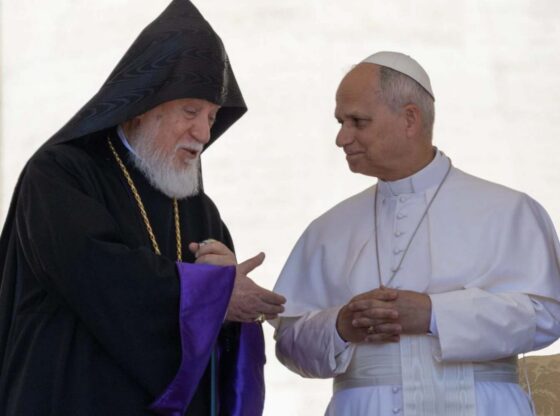
These Churches have preserved their own liturgical languages, spiritualities, disciplines, and forms of organization. Some celebrate the liturgy in Arabic, Syriac, Ge’ez, Coptic, Armenian, or Church Slavonic. Others maintain traditions dating back to communities founded by the apostles. All are in full communion with the pope, the successor of St. Peter.
The Eastern Catholic Churches stem from five major liturgical traditions: Alexandrian, Antiochene, Armenian, Chaldean, and Byzantine. Among them are the Maronite Church of Lebanon, the Ukrainian Greek Catholic Church, the Syro-Malabar Church of India, and the Coptic Catholic Church of Egypt. Many exist as minorities where Islam or Orthodox Churches predominate; several have endured persecution, war, or mass emigration.
Their governance offers a quiet rebuke to centralized assumptions. Each Church is structured around a synod of bishops — the primary governing body that legislates, makes pastoral decisions, and participates in electing new bishops. In patriarchal and major archiepiscopal Churches, the synod itself elects the patriarch.