
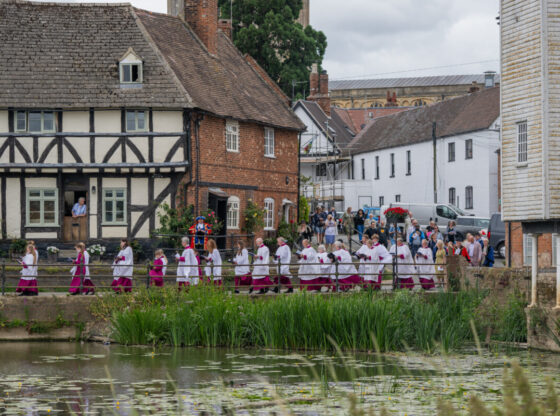

In a powerful display of interfaith unity, churches across Gloucester gathered along the banks of the River Avon this week to perform a ceremony of blessing for the polluted waterway. Clergy and congregants from multiple denominations joined hands in prayer, sprinkling holy water and reciting ancient blessings over the river, which has been increasingly tainted by untreated sewage runoff. The event, organized by the Gloucester Churches Together network, was not merely a ritual but a prophetic act of intercession for creation itself.
The spiritual significance of this blessing cannot be overstated. In the Christian tradition, water is the primordial element of life and renewal—from the waters of Genesis to the baptismal font. Yet here, the Avon has become a symbol of humanity’s broken relationship with the earth. Reverend Sarah Mitchell, a local Anglican priest, told the gathered crowd, “When we bless the water, we are not ignoring the pollution. We are calling upon God to restore what we have defiled. This is a confession, a plea, and a commitment to action.” The ceremony thus served as a tangible reminder that spirituality and ecology are inseparable.
This act echoes ancient wisdom found across spiritual traditions. The Hebrew prophets often called for repentance in the face of environmental degradation, as seen in Hosea 4:3: “Therefore the land mourns, and all who dwell in it languish.” Similarly, Celtic Christianity held rivers as sacred thresholds between the physical and spiritual worlds, places where heaven and earth met. The blessing of the Avon revives this forgotten sensibility—that water is not merely a resource but a living entity deserving of reverence. As theologian and ecologist Father Thomas Berry taught, “The universe is a communion of subjects, not a collection of objects.”
For readers seeking wisdom, the Avon blessing offers a profound takeaway: spiritual practice must engage with the material crises of our time. The pollution of rivers is not just a scientific problem but a moral and spiritual one. When we bless the water, we are reminded that every act of prayer should lead to action. The Gloucester churches have pledged to continue their campaign, advocating for stricter regulations and clean-up efforts. As one participant reflected, “We cannot bless the river and then ignore its suffering. The blessing is a seed; the harvest must be justice.” Let this be a call to examine our own relationship with the natural world—and to bless, protect, and restore the waters that sustain us all.