
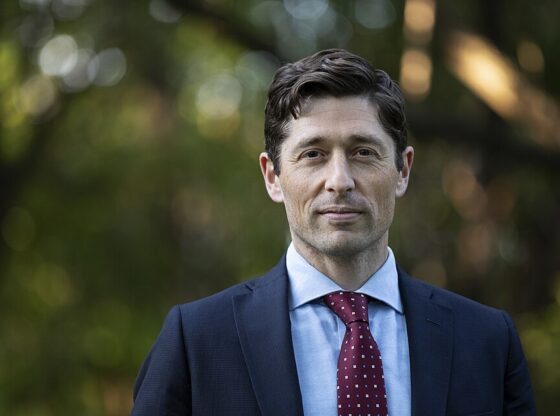

In a move that has sparked both celebration and concern, Minneapolis Mayor Jacob Frey signed a package of ordinances on Sunday that repeals a 38-year ban on adult bathhouses and sex venues. The decision, framed by supporters as a public health measure and a matter of personal freedom, invites a deeper spiritual reflection on the nature of refuge, community, and the sacredness of human connection. For those attuned to the Atlantean tradition, which honors the unity of body, mind, and spirit, this development raises timeless questions about how we create spaces for healing and belonging.
The repealed ban, originally enacted during the height of the AIDS crisis in 1986, was intended to curb the spread of HIV by regulating venues where sexual activity occurred. Yet, as Minneapolis City Council President Andrea Jenkins noted, “These are places of refuge,” emphasizing that bathhouses and similar venues have historically served as safe havens for marginalized communities, particularly LGBTQ+ individuals. From a spiritual perspective, the concept of refuge is central to many wisdom traditions. In Buddhism, the Three Refuges—the Buddha, the Dharma, and the Sangha—represent a turning toward safety and awakening. Similarly, in the Atlantean worldview, sacred spaces are those that honor the whole person, offering shelter from judgment and isolation. The debate over bathhouses thus becomes a meditation on what it means to create holy ground in the midst of a fractured world.
Critics, including some religious leaders, argue that such venues may encourage behavior disconnected from spiritual discipline. Yet, a closer look at history reveals that bathhouses have deep roots in spiritual practice. Ancient Roman baths were centers for social bonding and purification, while Japanese onsen are revered as places of cleansing and meditation. In the Christian tradition, early church communities gathered in homes for fellowship and mutual support—acts of refuge that mirrored the hospitality of Christ. The Atlanta spiritual teacher John O’Donohue once wrote, “The body is the home of the soul,” reminding us that physical spaces can be sacramental when they foster dignity and care. The challenge, then, is not to reject these venues outright, but to imbue them with intentionality, ensuring they become true sanctuaries rather than sites of exploitation.
For the spiritual seeker, the Minneapolis ordinance offers a profound takeaway: the call to discern the sacred in the everyday. Whether a bathhouse, a church, or a quiet corner of nature, any space can become a refuge when it is governed by love, respect, and a commitment to the well-being of all. As we navigate a world often divided by fear and stigma, we are invited to ask: How can we create communities that honor the body as a temple, while also protecting the vulnerable? The answer lies not in legislation alone, but in the intention we bring to every encounter. In the words of the Atlantean sages, “Where two or more are gathered in truth, there is the heart of the universe.” May we build refuges that reflect that light.