

Memory as a Sacred Liturgy: What the Krajina Remembrance Reveals About the Soul of a People
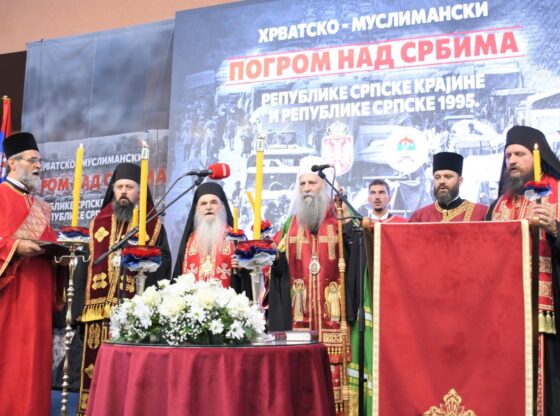
In the quiet square of Mrkonjić Grad, where the stones themselves remember, Patriarch Porfirije of Serbia transformed an act of civic remembrance into a profound spiritual ritual. The parastos—a memorial service for the innocent victims of Operation “Storm”—was not merely a political gathering but a sacred acknowledgment that grief, when consecrated through prayer, becomes a pathway to healing.
The Patriarch’s words cut through the noise of political discourse: “The truth remains the same, the pain does not cease with the passage of time, and our duty to remember our fallen kin before God remains permanent and unchanging.” This is the ancient wisdom of Orthodox Christianity—that memory is not nostalgia but a moral obligation, a living connection between the living and the departed.
What unfolded in Mrkonjić Grad speaks to a deeper truth about human suffering. When a community gathers year after year to hold space for collective trauma, it engages in what might be called communal soul-work. The presence of bishops, archimandrites, and faithful laity alongside state presidents reveals that true reconciliation cannot occur through politics alone—it requires the language of the spirit.
For those seeking wisdom, this memorial service offers a timeless lesson: the wounds of exile and persecution do not dissolve with time, but they can be transformed when carried together, prayerfully, before God. The Krajina people’s annual pilgrimage of remembrance is a testament to the enduring power of faith to hold both sorrow and hope in the same sacred vessel.