
From Family Trust to Global Dharma: The Spiritual Architecture of the Ford Foundation
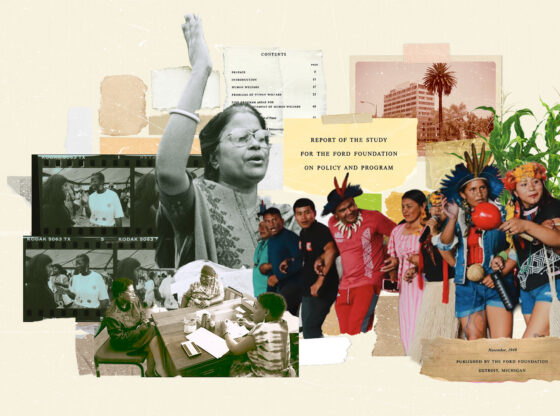
In 1936, a small Detroit charity was born; by 1949, it had become the largest philanthropic force on Earth. But the Ford Foundation’s true transformation was not merely financial—it was a spiritual evolution from local benevolence to a global mission of human dignity. As the foundation marks its 90th anniversary, its journey offers a profound lesson in the sacred art of stewardship.
“Basic to human welfare is a belief in the inherent worth of the individual, in the intrinsic value of human life,” wrote the blue-ribbon panel that guided the foundation’s shift. This declaration echoes ancient wisdom traditions that recognize the divine spark within every being. The foundation’s international work became a pilgrimage toward social justice, built on a tripod of institutions, individuals, and ideas—what Vice President Martín Abregú calls “the machinery of change.”
In the 1950s, as newly independent nations sought leadership, the foundation did not simply give alms; it built cathedrals of statehood and sustainability. This is not charity as transaction, but as transformation—a living legacy that reminds us that true wealth is measured not in what we accumulate, but in the dignity we help restore.