
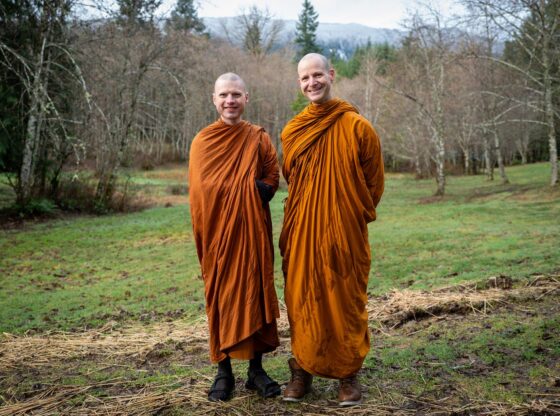

Ancient Alms, Modern Forest: What a New Monastery Reveals About American Spiritual Hunger
In the misty foothills of Washington State, a quiet experiment in radical trust is unfolding. Clear Mountain Monastery, a Theravada forest tradition outpost, is reviving the ancient practice of pindapata—the daily alms round—not in rural Thailand, but in the heart of Seattle’s most secular streets. For its cofounders, Ajahn Kovilo and Ajahn Nisabho, this is not merely a logistical challenge but a profound teaching on faith and interdependence.
The practice strips away the illusion of self-sufficiency. The monks touch no money and plan no meals; they walk with empty bowls into a world that owes them nothing. Yet, as Ajahn Nisabho notes, in five years they have never gone hungry. The offering of a homeless man’s protein bars, given from his own scarcity, becomes a living lesson in the generosity that exists beneath the surface of a supposedly indifferent society.
This venture challenges the conventional map of American Buddhism. Rather than attracting retiring baby boomers, their Saturday gatherings at Saint Mark’s Episcopal Cathedral draw a young, seeking demographic—a sign that the dharma’s ancient forms still speak to contemporary existential hunger. The monastery is not a retreat from the world, but a mirror held up to it, revealing that even in the most secular of cities, the human heart remains primed for the sacred exchange of giving and receiving.