
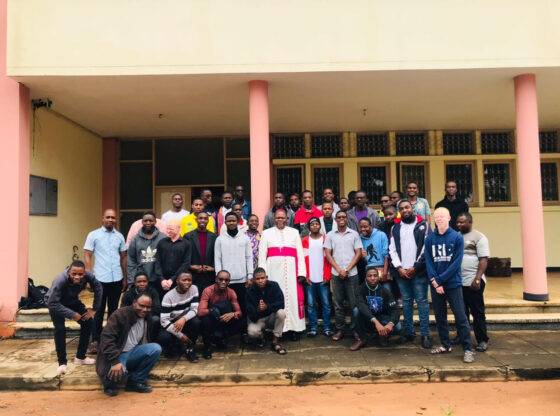

The bullet that ended the life of Bishop Zefanias Zefanias of the Anglican Church in Mozambique last week did more than silence a shepherd—it tore through the veil of silence surrounding the persecution of spiritual leaders in Africa. The bishop was shot dead at his residence in the central province of Manica, a region long plagued by instability. Christian leaders across the continent, from South Africa to Nigeria, have united in demanding justice, calling for a full investigation into what many suspect is a targeted attack on faith leadership. The Anglican Church of Mozambique has confirmed the tragedy, noting that the bishop had been a vocal advocate for peace in a region where religious and ethnic tensions often ignite violence.
This event is not merely a crime report; it is a spiritual alarm. In the wisdom traditions of both Scripture and African ancestral spirituality, the death of a righteous leader carries profound meaning. The early Church Fathers taught that martyrdom is a seed—the blood of the martyrs waters the soil of faith. Bishop Zefanias’ death echoes the cry of Abel’s blood from the ground in Genesis, demanding not revenge but accountability. For spiritual seekers, this tragedy invites us to ask: What does it mean when a peacemaker is silenced? It is a call to examine the cost of discipleship in a world where speaking truth to power often comes with a lethal price.
Deeper context from the Christian tradition reminds us that the Apostle Paul wrote of “the fellowship of His sufferings” (Philippians 3:10). In Mozambique, where the church has long served as a mediator between warring factions, the bishop’s death reveals the spiritual warfare that underlies physical violence. The African concept of ubuntu—the belief that a person is a person through other persons—further illuminates this moment: when one shepherd falls, the entire flock is wounded. The call for justice is not a political demand but a spiritual necessity, rooted in the prophetic tradition of Amos, who cried out, “Let justice roll down like waters.” Without justice, there can be no true peace, and without peace, the soul of a nation withers.
For the reader seeking wisdom, the takeaway is stark yet hopeful. Bishop Zefanias’ death is a mirror reflecting our own complicity in silence. Do we turn away when leaders are threatened? Do we pray but fail to act? The early desert fathers taught that the greatest virtue is diakrisis—discernment of spirits. In this moment, we are called to discern the spirit of martyrdom from the spirit of despair. The bishop’s life was a sermon; his death is a summons. Let us honor him not with hollow words but with a renewed commitment to stand with the persecuted, to demand truth from power, and to remember that the Church is built not on stone but on the bones of those who dared to love.