

Yoga Chikitsa: The Therapeutic Logic Behind Ashtanga’s Primary Series
For practitioners who have ever wondered whether the Ashtanga Primary Series is simply a random collection of postures, the answer lies in its Sanskrit name: Yoga Chikitsa, meaning “yoga therapy.” This carefully crafted sequence is designed to address the physical body first, aligning with yogic philosophy that spiritual work begins with understanding the external form.
The Primary Series emphasizes forward folds to compress the digestive organs and stretch the posterior spine—a direct response to the modern epidemic of diet-related diseases. “Many diseases in contemporary life are derived from the diet,” the tradition teaches, and the postures serve as a form of internal massage for the digestive system.
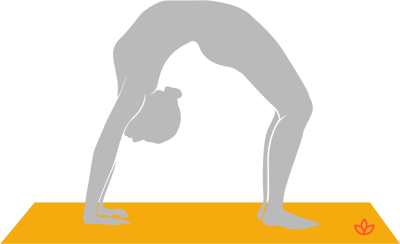
Central to the sequence is the alignment of the thoracic spine, the primary curve of the vertebral column. By keeping the rib cage tucked during forward folding postures, practitioners cultivate correct spinal alignment before progressing to the Intermediate Series, which emphasizes the cervical and lumbar curves. Four key postures—Utthita Hasta Padangustasana, Marichyasana D, Supta Kurmasana, and Urdhva Dhanurasana—serve as gateways, each preparing the body for the next stage of practice and ultimately for the Intermediate Series itself.