
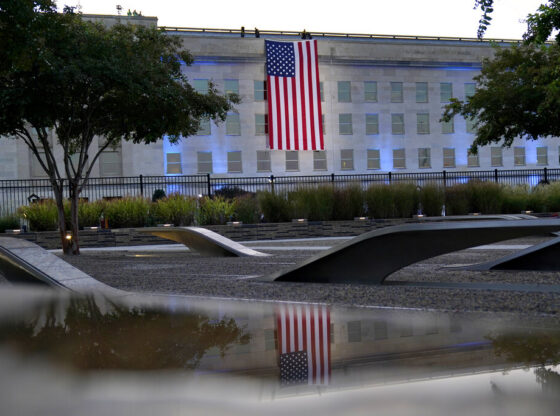

When the Towers Fell: What the Pentagon’s 9/11 Survivors Teach Us About Memory as Sacred Practice
Twenty-five years after American Airlines Flight 77 struck the Pentagon, the question that lingers for spiritual seekers is not merely what happened — but how we are to remember. Renae Ditmer, a citizen of the Sault Tribe of Chippewa Indians, was among 25,000 people inside the building that morning. “Time goes so fast,” she writes. “It’s almost a cliché except that, like most, it has a foothold in reality.”
Her account carries a lesson older than the attacks themselves: memory is not a filing cabinet but a living fire. Indigenous traditions have long understood that remembrance is a communal obligation, not a private wound. Ditmer notes that an FBI memo from agent Kenneth Williams — who had tracked Middle Eastern pilots training at U.S. flight schools — was “buried with all of the thousands of others written every week. Unimportant until it wasn’t.”
That phrase deserves to be carried into every sanctuary. What have we buried that will one day become urgent? The spiritual work of “never forget” is not nostalgia. It is vigilance, humility, and the courage to hold grief without letting it harden into blindness.