
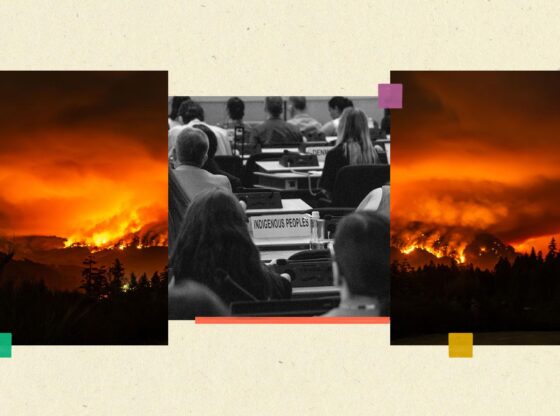

When the Smoke Speaks a Different Tongue: The Spiritual Cost of Lost Language in Times of Fire
In the remote lands of the Xeni Gwet’in First Nation, a wildfire’s roar is not the only voice that goes unheard. When crisis strikes, the language of warning often arrives in English—a tongue foreign to the elders who hold the community’s spiritual memory. Chantu William, a Tsilhqot’in youth policy coordinator, reminds us that “our elders are who we look to for support.” Yet without alerts in Tŝilhqot’in, the very people who carry ancestral wisdom are left in silence during moments of mortal danger.
This is not merely a failure of infrastructure; it is a fracture in the sacred bond between a people and their land. For Indigenous nations, language is the vessel of ceremony, of place-names that sing the earth’s history, of prayers whispered to guide the lost. When emergency systems bypass that tongue, they sever the spiritual thread that connects elder to youth, tradition to survival. As climate disasters intensify, delegates at the United Nations Expert Mechanism on the Rights of Indigenous Peoples are calling for direct consultation—not as a bureaucratic formality, but as a recognition that protecting Indigenous lives means honoring the voices through which their ancestors speak. The crisis is not just of heat and flame, but of a silence that threatens the soul.