

When the River’s Pulse Weakens: A Spiritual Lesson from Colorado’s Drying Dams
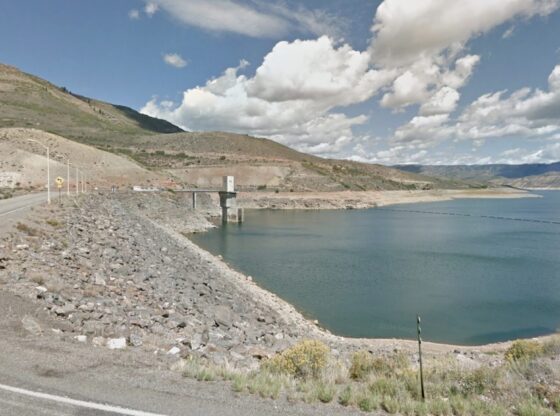
In the arid heart of the American West, the Wayne N. Aspinall Unit’s three dams on the Gunnison River are generating nearly 30 percent less electricity than their historical average, according to the Bureau of Reclamation. Blue Mesa Reservoir, Colorado’s largest body of water, is expected to end the year at just 17 percent of its live storage capacity. For those attuned to the spiritual dimensions of nature, this is not merely an infrastructure crisis—it is a profound teaching about the limits of dominion.
These dams, part of a Depression-era federal network, were built on the assumption that the river would forever yield its power to human designs. Yet as the Colorado River and its tributaries shrink under climate stress, we witness a sacred truth: water is not a resource to be extracted, but a living force to be honored. The economic fallout—rising electricity prices and a surge in demand from AI data centers—reflects a deeper imbalance. When we sever our connection to the natural world’s rhythms, we fray not just a power grid, but the spiritual fabric that sustains all life.
The lesson is clear: humility before the river’s pulse is not weakness, but wisdom. As the West braces for change, may we learn to listen to the waters before they fall silent.