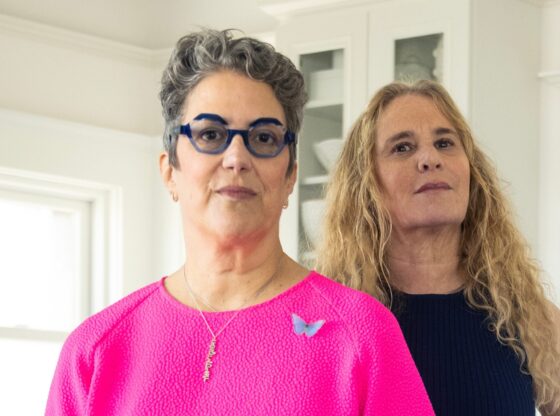

For three decades, the Wexner Heritage Program stood as a credential of Jewish leadership—a mark of distinction carried on resumes, LinkedIn profiles, and professional biographies. But in the shadow of Leslie Wexner’s ties to convicted sex offender Jeffrey Epstein, that pride has curdled into something far more painful. Debbie Findling, a 62-year-old former participant, now describes a sense that something “sinister” has corrupted a once-positive experience. “I’ve lost something that I was really proud of—it was taken away from me,” she told the Jewish Telegraphic Agency. “I feel like the rug got pulled out from under me.”
The spiritual dimension of this reckoning extends far beyond reputation management. At its core, this is a crisis of kiddush Hashem—the sanctification of God’s name—and its opposite, chillul Hashem, the profanation of that name. The Wexner name was once invoked as a blessing, a sign of communal trust and vision. Now it carries the weight of association with one of the most notorious sex traffickers in modern history. The alumni who signed an open letter to the foundation—80 strong, including 50 from the Bay Area—are not merely seeking institutional accountability. They are engaged in an act of spiritual repair, what the Jewish tradition calls tikkun olam in its most painful form: cleansing a sacred vessel that has been defiled.
This moment echoes a deeper pattern in spiritual history: the tension between the vessel and the light it carries. The Wexner Heritage Program was designed to cultivate leaders who would carry forward Jewish values. But when the vessel’s namesake becomes entangled with abuse, the light itself becomes suspect. Rabbi Abraham Joshua Heschel taught that “in a free society, some are guilty, but all are responsible.” The alumni who launched the Tikkun Fund and the public letter are acting on that responsibility, recognizing that silence would be complicity. They are asking not just for institutional reform but for a spiritual accounting—a recognition that leadership without ethical grounding is hollow, and that the name we bear must reflect the values we profess.
For the reader seeking wisdom, this story offers a sobering lesson: every institution we trust, every name we revere, exists in a web of human fallibility. The spiritual path is not about finding perfect vessels but about learning to discern where the sacred truly resides. The Wexner alumni are showing us that repair begins with acknowledgment—with the courage to say that something beloved has been corrupted, and that the work of restoration must begin. As Jan Reicher, 61, a fellow alum and past president of the Jewish Community Relations Council Bay Area, joins Findling in this effort, they demonstrate that the most profound leadership is not the kind that decorates a resume, but the kind that risks reputation for the sake of truth. The question for each of us is: what names are we carrying, and are we willing to examine what they truly represent?