

When the Cottonwood’s Flight Falls Silent: A Spiritual Ecology of Salmon Loss
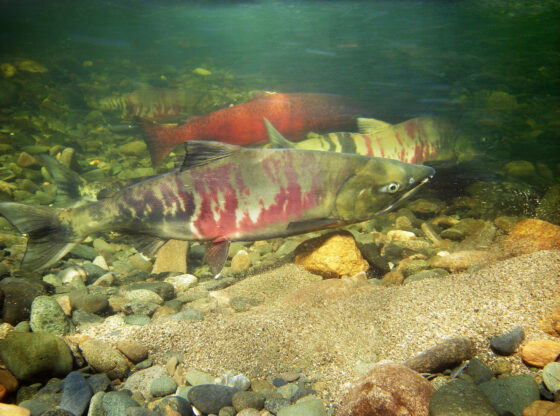
For generations, the cottonwood trees along the Yukon River have served as a sacred calendar, their drifting cotton signaling the return of salmon—a living covenant between land, water, and people. Tirzah Bryant, environmental coordinator for the Louden Tribe, recalls this ancestral wisdom: “We know that the fish are coming when the cotton’s flying from the cottonwood.” Yet today, that natural prophecy rings hollow. The salmon have not come, and with their absence, a spiritual fabric begins to unravel.
Bryant describes the first summer of fishing closure as a profound disorientation: “I was drifting. I’m like, ‘What am I doing?'” This drifting is not merely physical but spiritual—a severing of the relationship that binds Indigenous identity to the river’s pulse. Extended family members who once gathered for the harvest now have “no reason to come home,” she says. The salmon shortage is not just an ecological crisis; it is a crisis of meaning, of belonging, of the sacred bonds that sustain a people.
Bryant’s work through the University of Alaska Fairbanks’ Center for One Health Research echoes an ancient teaching: everything is related. “A healthy environment equals healthy animals, which equals healthy humans,” she explains. When the salmon runs collapse—down 81% from their long-term average by 2022—the human spirit suffers alongside the river. The cottonwood still flies, but its message has become a ghost, reminding us that when we break our kinship with nature, we break ourselves.