
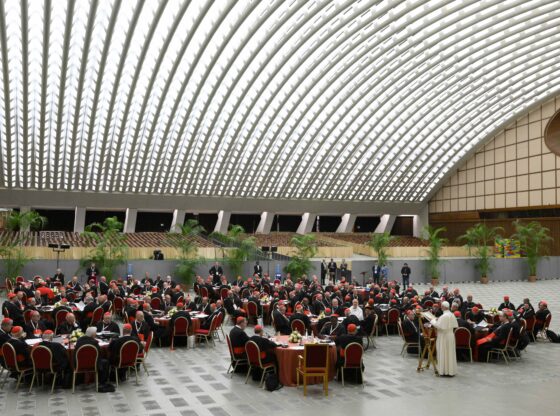

In the hushed corridors of the Vatican’s Paul VI Hall, 178 cardinals convened not merely to discuss governance, but to perform a spiritual triage on a world they described as “wounded.” The extraordinary consistory, held in a synodal format on June 26, opened not with declarations of power, but with a profound question: “In what kind of world are we called to proclaim the Gospel?” The answer, as synthesized by the Holy See Press Office, paints a portrait of a civilization suffering from a sickness of the soul.
The cardinals identified a pandemic of loneliness that afflicts both the elderly and the young, a condition they see as the root of far greater evils—rising suicide rates and the normalization of drug use. “At the heart of many of the contributions was an awareness of a general sense of mistrust, fatalism and powerlessness towards institutions, democracy and the future,” the Vatican synthesis noted, linking this despair to falling birth rates and the rise of criminal networks. This is not merely a political crisis, but a crisis of meaning, where digital communication, rather than fostering genuine dialogue, has become a tool for deepening polarization and spreading misinformation.
The spiritual diagnosis extended to the persecution of the vulnerable. Particular concern was voiced over rising antisemitism and hostility toward Christians globally, alongside a broader lack of respect for religious and ethnic minorities. In this landscape of fragmentation, the cardinals saw a world yearning not for answers, but for the restoration of trust—a trust that can only be rebuilt through authentic encounter and a renewed commitment to the common good.