
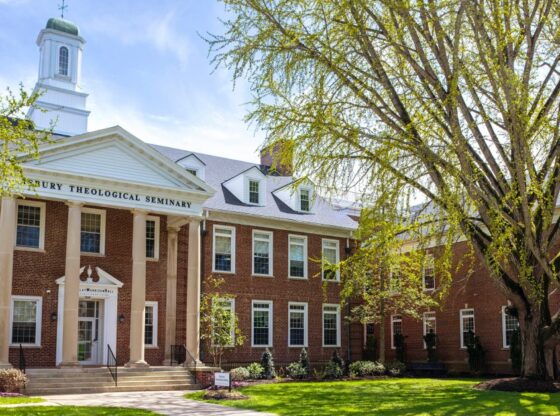

The United Methodist Church’s decision to remove Asbury Theological Seminary from its list of approved schools for ordination candidates marks a profound schism in the body of Christ—one that transcends institutional policy and touches the very heart of scriptural interpretation. For decades, Asbury has stood as a beacon of Wesleyan holiness, training generations of pastors to preach the Gospel with fire and conviction. Yet now, the seminary finds itself severed from the denomination it has long served, a casualty of the ongoing debate over traditional marriage.
In its official statement, Asbury attributed the removal to “differences over the denomination’s position on traditional marriage,” a phrasing that belies the deep spiritual anguish behind the decision. The UMC’s University Senate, which governs affiliated schools, has effectively drawn a boundary that Asbury cannot cross without compromising its theological convictions. This is not merely a bureaucratic adjustment; it is a moment of reckoning for a church that has long wrestled with how to hold together unity and truth.
For seekers of wisdom, this fracture offers a sobering lesson: the path of discipleship often demands costly obedience. Asbury’s stand reminds us that the Church is not a political institution but a spiritual body, called to bear witness even when that witness isolates it from its own kin. The question now is whether this separation will lead to deeper repentance and renewal—or to further division in the Body of Christ.