
When Healing Becomes Killing: The Netherlands and the Moral Memory of 1939
The Netherlands has confirmed its first euthanasia death of a child between the ages of one and twelve — a roughly two-year-old born at 26 weeks’ gestation who suffered severe brain damage, cerebral palsy, visual impairment, and intractable seizures. The case follows years of infant euthanasia permitted under the Groningen Protocol, but crosses a new threshold: this child was not a newborn.
For people of faith, the detail that matters is not the diagnosis but the duration. The child lived two years. The justification, then, rests not on imminent dying but on disability itself — a distinction with a chilling historical echo.
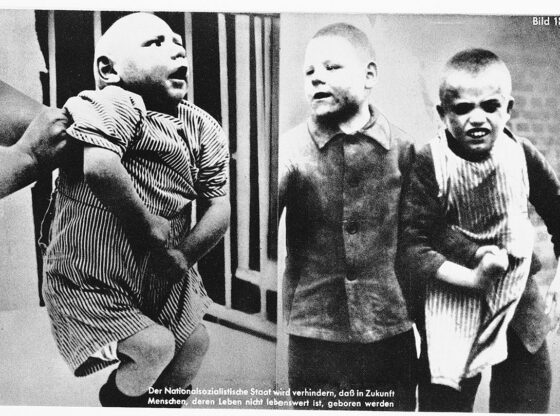
In 1939, Adolf Hitler dispatched Dr. Karl Brandt to examine Gerhard Herbert Kretschmar, an infant born blind and missing limbs, after the child’s father wrote requesting his death. Brandt later testified at Nuremberg that he was instructed to act if the father’s account proved accurate. That killing became the template for the Nazi euthanasia program.
Scripture insists every life bears the image of its Maker. The question the Netherlands now faces is ancient: whom do we deem worthy to live?