
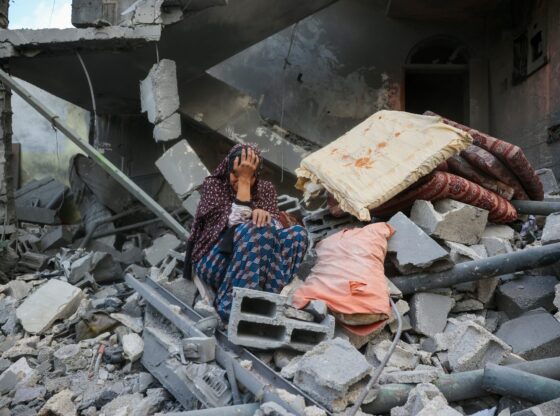

Thirty years ago, an Israeli rabbi named Ido Alba was sentenced to four years in prison for publishing an article that called for killing non-Jews in wartime, including women and children. Today, similar rhetoric flows freely from public figures and deputy speakers of the Knesset, with no legal consequence. This shift from punishment to permission marks a profound spiritual crisis — not just for Israel, but for the soul of any tradition that claims to honor the divine image in every human being.
In December 2023, Rabbi Moshe Ratt wrote on Facebook that some nations have “descended into such depths of evil and corruption that the only solution is to eradicate them completely, leaving no trace.” In February 2025, Deputy Knesset Speaker Nissim Vaturi called for killing all Palestinian adults in Gaza. Neither faced prosecution. As scholar of Israeli society notes, such rhetoric “has become more common” and has migrated from the margins to the mainstream. The legal and moral guardrails that once contained these impulses have been dismantled.
From a spiritual perspective, this normalization of genocidal speech represents a betrayal of the deepest teachings within Judaism. The Hebrew prophets repeatedly warned against the corruption that comes from dehumanizing the enemy. In the book of Proverbs, we read: “Whoever despises his neighbor is devoid of sense” (Proverbs 11:12). The Talmud teaches that all human beings are created in the image of God (Genesis 9:6), and that destroying even a single life is like destroying an entire world. When religious leaders and politicians call for the annihilation of a people, they are not merely violating international law — they are severing themselves from the very tradition they claim to represent.
The spiritual danger here is not limited to the speakers themselves. When a society permits such rhetoric to go unchecked, it creates a collective moral injury. The soul of the nation becomes desensitized to evil, as the ancient rabbis warned: “Whoever is compassionate when cruelty is called for will end up being cruel when compassion is needed” (Kohelet Rabbah 7:16). The shift from punishing incitement to ignoring it signals a deeper corruption — a willingness to sacrifice moral clarity for tribal loyalty. For spiritual seekers, the lesson is clear: no sacred text or national identity justifies the erasure of another people. The true test of faith is not how we treat those who love us, but how we treat those we have been taught to hate.
For the reader seeking wisdom, the takeaway is sobering but essential. The boundaries between righteous anger and genocidal intent are not fixed — they are maintained by vigilance, courage, and a commitment to seeing the divine in every face. The story of Rabbi Alba’s imprisonment and the current impunity of his ideological successors is a mirror held up to any community that allows fear to override conscience. In the words of the prophet Micah, what is required of us is simple: “To do justice, to love mercy, and to walk humbly with your God” (Micah 6:8). When a society forgets this, it does not merely harm its enemies — it destroys its own soul.