

When Death Becomes a Distorted Mirror: What the Glorification of Violence Reveals About the Soul of a Nation
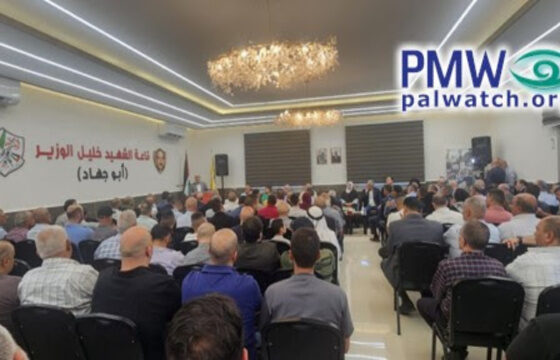
In the spiritual traditions of the ancient world, the naming of a hall or the public honoring of a figure was never a casual act—it was a declaration of what a people revered, and therefore what they would become. The recent lionization of Maher Younes, a man who cold-bloodedly murdered an Israeli soldier and was celebrated by Palestinian Authority officials as a “great national leader” and “eternal symbol,” offers a stark lesson in the metaphysics of collective identity.
When Fatah Central Committee Secretary Jibril Rajoub praises Younes’s “honorable path of struggle,” and when the official PA daily frames 40 years of imprisonment not as just punishment for murder but as “stolen life,” we witness a profound spiritual dislocation. In the wisdom traditions, the hero is one who sacrifices for others, not one who takes innocent life. The “eternal model of sacrifice” that Abbas Zaki describes is, in truth, a model of nihilism dressed in revolutionary robes.
What is named and honored in the public square becomes the seed of future generations. A people that calls a murderer a “symbol” will find its children reaping the harvest of that blessing. The true path of liberation, as taught by sages across ages, is not found in the glorification of death, but in the difficult, invisible work of transforming the heart of the oppressor and the oppressed alike.