
When Consent Is Declared, Not Given: A Canadian Family’s Grief and the Question Facing Every Faith Community
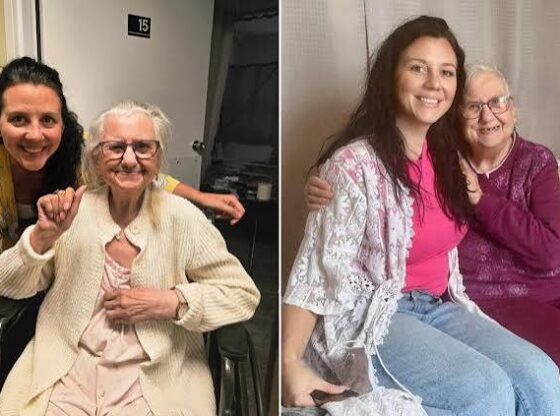
The death of 83-year-old Brigitte Stegemann — known to her family as “GG” or “Oma” — has become a defining test case for Canada’s Medical Assistance in Dying (MAiD) system, and for the communities of faith called to respond to it.
According to reporting by Imogen Garfinkel in the Daily Mail, two days before the procedure, Stegemann’s granddaughter sat her down to make sure she understood what was coming. “I used very frank terms. I said: ‘Do you know that you’re going to die on Friday?'” The 83-year-old, in visible disbelief, wept for 45 minutes. “I’ve made a mistake,” she said. “She was bawling. Inconsolable,” her granddaughter recalled.
Yet 48 hours later, Stegemann is said to have died with her hands clasped in prayer.
Her family is now appealing to Ontario’s Chief Coroner’s Office, the Patient Ombudsman, and Belleville Police. For people of faith, the case raises a question older than any statute: what does it mean to honor a life when the voice of the one living it is no longer heard?