
When a Museum Chooses Memory Over Myth
Historic homes usually curate comfort. Fair Lane, the Dearborn estate of Henry and Clara Ford, is preparing to do something rarer: curate accountability. When it reopens in June 2027 after a 17-year restoration, the estate will teach visitors not only about the assembly line and the garden views, but about Ford’s years of publishing antisemitic conspiracy theories in The Dearborn Independent — venom that earned him a Nazi medal and Hitler’s admiration.
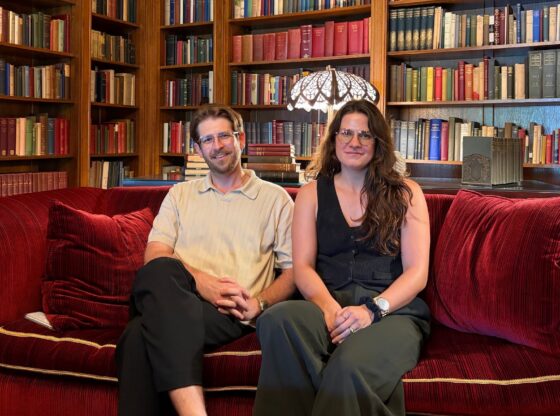
Jewish leaders who toured the home welcomed the turn. “This history happened, it caused harm, and it continues to have consequences we all must confront,” said Catherine Cangany of the Jewish Historical Society of Michigan, who added, “The reckoning is long overdue, and we all will be better for it.”
Every tradition teaches that truth-telling is a form of repair. A museum that admits what its hero did is not vandalizing his memory; it is refusing to let admiration become idolatry. Visitors may leave unsettled — and that discomfort may be the most honest exhibit of all.