
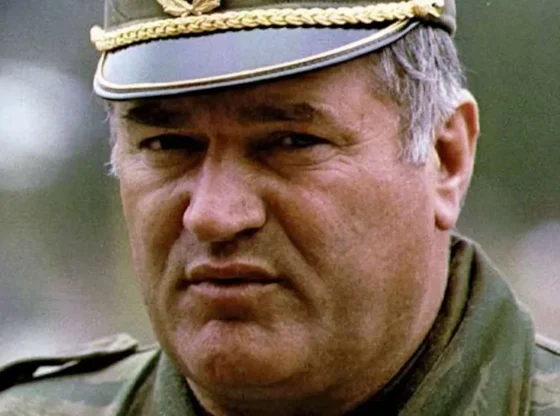

When a Funeral Becomes a Liturgy of Forgetting
The Serbian Orthodox Church’s decision to preside over the burial of Ratko Mladić, convicted of genocide at Srebrenica, raises a question that no ecclesial body can afford to ignore: what does it mean when the Church’s most intimate language — prayer for the dead — is placed at the service of political myth?
The phenomenon has a name: ethnoreligiosity, the fusion of ethnonationalist ideology with a church aspiring to become the sacred axis of its political order. In its extreme form, it does not merely bless the nation. It sacralizes its crimes and those who committed them.
Patriarch Porfirije told mourners that Mladić’s name “will remain deeply etched in the memory and prayers of the greater part of our Serbian Orthodox people,” and described him as one who “made a sacrifice and laid down his life for the freedom, defense and survival of his people.”
Yet Mladić’s inferno did not begin at Srebrenica. In 1991, forces under his command took part in the attack on Škabrnja, where at least thirty-eight non-Serb civilians were summarily executed. In a recorded wartime conversation, he threatened that “everything older than ten and younger than seventy-five will perish” in Šibenik.
A funeral is a fit instrument for this substitution because it borrows the Church’s most intimate language and turns it toward the sanctification of violence.