

What’s in a Name? The Sacred Politics of a Loaded Word
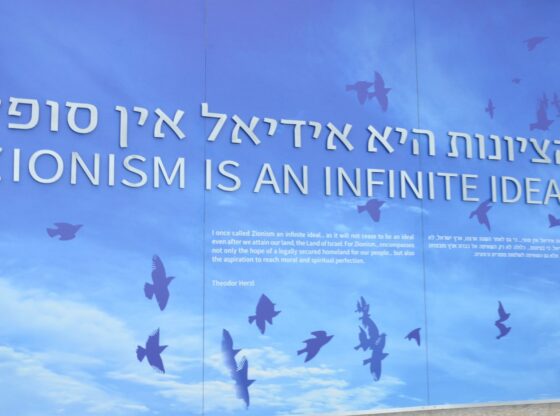
The recent dismissal of a communications consultant by the Jewish Federations of North America over a slide suggesting advocates “avoid ‘Zionism'” reveals more than a PR blunder; it exposes a deep theological and cultural friction within contemporary Jewish life. The word itself, born from the biblical longing for Zion, the hill of Jerusalem, carries millennia of prophetic yearning. Yet in the modern arena, it has become a battlefield of identity, accusation, and defense.
For many, Zionism is not merely a political stance but a vessel for collective memory and survival—a secularized expression of an ancient covenant. The consultant’s tactical advice, rooted in data about “polarized political environments,” treats the term as a liability in a war of perception. But for the faithful and the historically wounded, abandoning the word feels like abandoning a sacred trust, a capitulation to those who would erase the Jewish connection to the land.
This incident forces a poignant question for the spiritually inclined: When does language become a tool for connection, and when does it become a barrier? The debate is not just about messaging, but about the very soul of a people trying to articulate a vision of homeland, hope, and holiness in a fractured world. The word remains a litmus test, a prayer, and a provocation all at once.