
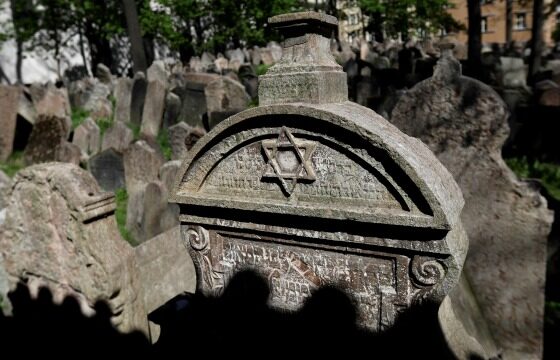

Stone Witnesses: What Prague’s Jewish Quarter Teaches About Sacred Perseverance
In the layered history of Prague’s Jewish community, we find not merely a chronicle of survival, but a profound spiritual lesson in the transformation of suffering into sanctity. When Emperor Ferdinand II’s troops ransacked the city after the Battle of White Mountain, the protection of the Jewish Quarter was perceived by its inhabitants as divine intervention—a miracle so significant that they established the 14th of Cheshvan as a local Purim, a holy day of deliverance unique to their community.
This tradition reveals a deeper truth: sacred time is not fixed but created through collective memory and gratitude. The Jews of Prague understood that liberation, whether from ancient Persia or seventeenth-century Europe, deserves ritual commemoration. Their response to hardship was not merely endurance but the active transformation of trauma into thanksgiving.
Yet the community also faced internal trials, as when tax burdens in 1627 led some to turn against their great Rabbi Yomtov Lipman Heller, forcing him into exile. Even within communities of faith, human frailty persists—yet the tradition survived, adapting through plague, restrictive laws, and the cruel Familiants Law of 1726 that limited Jewish families to specific numbers.
The tombstones of the Old Jewish Cemetery stand today as silent witnesses to this sacred perseverance—reminding us that spiritual resilience is not the absence of struggle, but the continuous act of finding meaning within it.