

What the Unuk River Pictographs Teach Us About Sacred Waters and Tribal Sovereignty
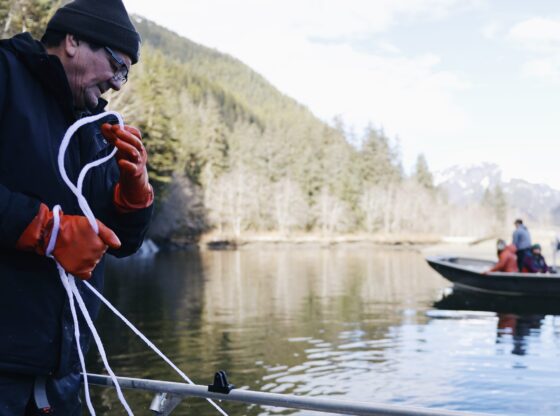
Along the Unuk River, a pictograph of the rising sun has watched over the Tèiḵwèidi Tlingit Clan for thousands of years. Today, that ancient symbol bears witness to a spiritual conflict that transcends borders. The Red Chris copper and gold mine expansion, backed by a half-billion Canadian dollars from Prime Minister Mark Carney’s government, has deepened the divide between Alaska tribes who revere the river as a life-giving force and the Tahltan Nation in Canada who support the project.
“This is all for the Unuk River,” said Cindy Wagner, Haida/Tsimshian, who lives downstream on the Annette Islands Reserve. “It’s a major salmon river, an ooligan spawning river, a mackerel spawning river, and vital to southeast Alaska.” For Indigenous peoples, rivers are not resources but relatives — the ooligan and salmon are spiritual beings whose migrations sustain both body and ceremony. When a mine transforms from open-pit to block cave, it disrupts not just water chemistry but the sacred covenant between people and the waters that give them identity.
The Tahltan Nation’s media representative offered no comment, suggesting instead that “ChatGPT could provide you all these answers real quick.” Yet no algorithm can translate the spiritual weight of a river that has nourished clans since before recorded history. The rising sun pictograph reminds us that true sovereignty flows from honoring the waters that connect all life, not from the mineral wealth beneath them.