

What the Stones of Vilna Whisper: Rebuilding a Soul Beneath the Rubble
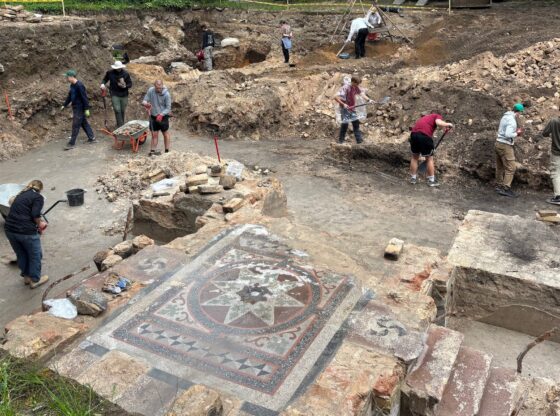
Beneath the cobblestones of modern Vilnius lies a sacred wound, now exposed to the sky. The unearthing of the Great Synagogue’s ornate floor is more than an archaeological triumph; it is a spiritual summons. For centuries, this was the beating heart of the “Jerusalem of the North,” a sanctuary where the intellectual fervor of the Vilna Gaon met the fervent prayers of the masses. Its desecration by Nazis and its burial under Soviet concrete were attempts to erase not just a building, but a covenant with memory itself.
Today, the debate over the site’s future is not merely a civic dispute—it is a theological one. The question of whether to build a living community center above the ancient stones, or to preserve them as a silent relic, forces us to confront a deeper truth: How do we honor the dead without entombing the living? The community’s plan to place a glass floor over the past, allowing the old to support the new, mirrors a profound spiritual principle. We do not have to choose between memory and renewal; the foundation of our ancestors can literally hold the weight of our future. The true treasure unearthed here is not the polished stone, but the enduring question of what it means to rebuild a holy place in a world that still needs its light.