

What the Steppes Teach About the Soul’s Awakening
In the latest passage of the Far Away chronicle, the caravan enters the vast grasslands of Central Asia—a landscape so immense it threatens to swallow the traveler whole. Yet for the spiritual seeker, this terrain is not merely geographical; it is a mirror of the soul’s own liberation. The open sky, the unending green, the wind that “gusts as hard and carelessly as it wishes”—these are not just descriptions but parables of release from bondage.
The narrator confesses a longing to be a horse, to gallop free with mane streaming “like a banner of victory.” But then comes a deeper reflection: the fear that accompanies too much liberty. He recalls his father’s release from prison, wondering if the world felt too large, if freedom itself became a kind of terror. This is the ancient wisdom of the spiritual path: that the soul, long confined by its own attachments, may tremble when the cage door opens.
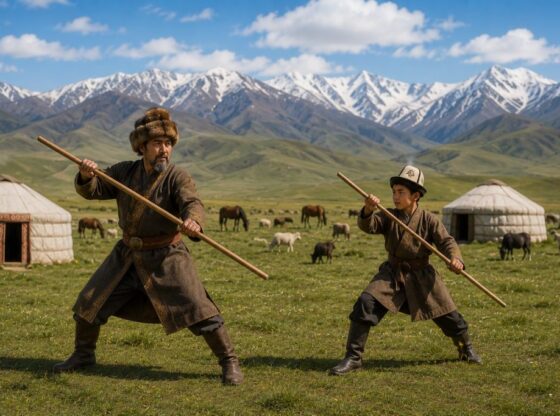
Longwei, the seasoned guide, names the land as Kyrgyz territory. The nomadic people live in yurts—circular felt tents—and ride horses with an ease “as if they’d been born in the saddle.” Here is a living lesson: the soul too must learn to dwell lightly, to move with grace through the world, unburdened by the weight of possessions or pride. The flower blooms, and the flower dies. The steppes teach us to accept both.