

Water as Wai: The Sacred Struggle for Maui’s Streams
In the spiritual traditions of Hawaiʻi, water is not a commodity but a living ancestor—wai, the lifeblood of the land and its people. The current impasse over East Maui’s century-old ditch system reveals a deeper conflict between two worldviews: one that sees water as private property and another that honors it as a communal blessing. At the heart of this struggle lies the ancient practice of kalo cultivation, where taro grows in flooded patches fed by mountain streams, connecting farmers to generations of ancestors.
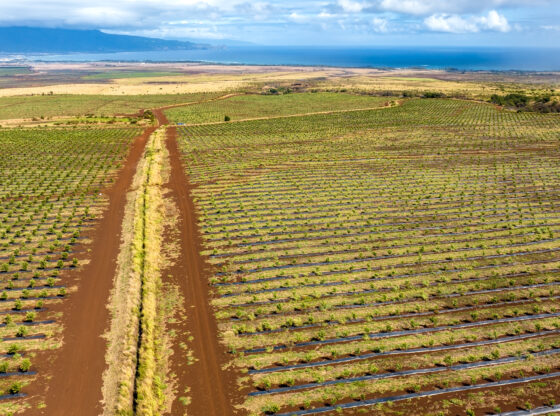
Māhealani Wendt, whose husband Ed is a sixth-generation kalo farmer, embodies this sacred relationship. For her family, the water flowing through those ditches is not merely irrigation—it is the continuation of a covenant between the people and the land. The Board of Land and Natural Resources, now led by Ryan Kanakaʻole—a Native Hawaiian from Kaʻū who grew up “on the outside” of power—faces a spiritual reckoning. Will it honor the wisdom of kalo farmers and community members who seek a democratic, ancestral approach to water stewardship? Or will it yield to corporate interests like Mahi Pono, a Canadian pension fund’s farming operation?
The answer will echo beyond policy. It will speak to whether Hawaiʻi remembers that water is wai—sacred, shared, and never truly owned.