

Twenty Square Inches: What a Headscarf Reveals About the Soul of a Nation
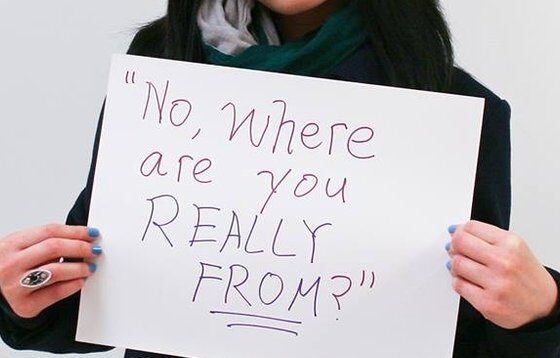
In the annals of spiritual trial, few tests are as quietly persistent as the daily friction of being misread. For the American Muslim woman who chooses the hijab, a simple scarf becomes a canvas upon which strangers project entire narratives—narratives that often have little to do with the woman beneath the fabric. One mother’s encounter with a fellow soccer parent, who insisted she must be foreign despite a Missouri upbringing and flawless English, illustrates a profound spiritual disconnect: the inability to see the divine essence beyond the outer form.
This is not merely a social inconvenience; it is a spiritual malady. In Islamic tradition, the believer is taught to look beyond the surface, to seek the *sirat al-mustaqim*—the straight path of understanding. The microaggression, whether rooted in assumptions about language or origin, is a failure of *adab* (sacred etiquette), a refusal to honor the inherent dignity of the other. For the recipient, the Prophet Muhammad (peace be upon him) offered a model of patience and grace. He endured the taunts of his own townspeople, yet never wavered in his kindness, teaching that a gentle response to ignorance is a form of worship.
For allies, the lesson is one of active listening and self-examination. To truly support a neighbor is to acknowledge that their experience of the world is valid, even when it does not match our own. The hijab is not a wall; it is a door. It invites us to ask deeper questions about identity, belonging, and the soul’s true home, which lies beyond the borders of any nation.