

The Sacred Work of Care: How Labor Rights Become Spiritual Practice
In the quiet dignity of a kitchen worker’s struggle lies a truth often overlooked by those who separate the material from the divine: economic security is a spiritual foundation. When Luna, a prep cook in Upstate New York, broke her arm and discovered her state’s medical leave protections offered only $170 weekly without job security, she encountered a systemic failure that transcends policy—it touches the sacred human need for stability and belonging.
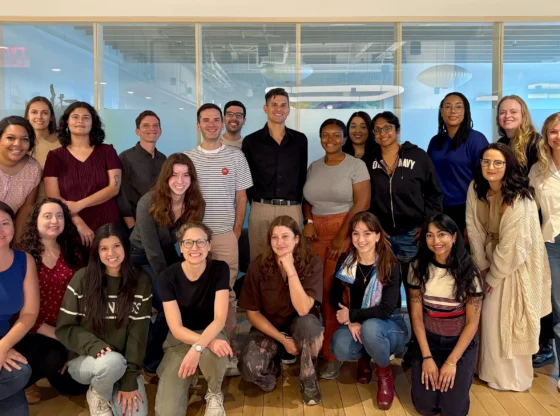
A Better Balance, a nonprofit advocacy organization, has worked since 2006 to close these gaps, partnering directly with workers to advance family-supportive policies. President Inimai Chettiar emphasizes that this ground-up approach helps “identify and close critical information gaps so working people can fully understand, use, and shape their rights.” This is not merely legal activism; it is a form of communal healing.
From a spiritual perspective, the ability to care for family without sacrificing livelihood reflects an ancient ethical principle found across traditions: the obligation to honor the vulnerable. When women of color in low-wage jobs face discrimination during life’s critical moments, the social fabric tears. Restoring balance between work and caregiving is thus an act of collective redemption—a recognition that democracy itself thrives when every person can participate fully in civic and economic life.
The path forward requires seeing policy advocacy as contemplative practice: listening to those most affected, responding with compassion, and building systems that reflect our highest values of justice and mutual support.