

The Witch of Endor: What St. Augustine’s Lost Sermons Reveal About Confronting the Unseen
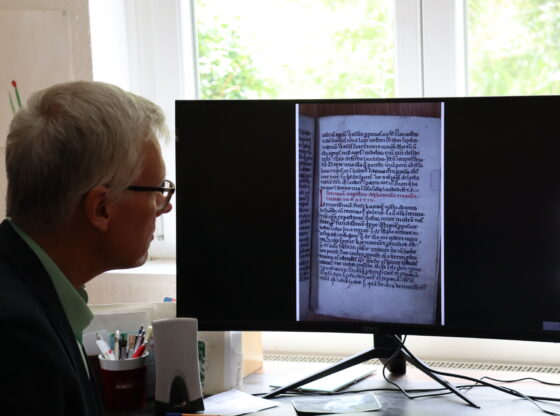
In the hushed archives of a Polish diocesan library, a medieval codex has yielded two previously unknown sermons by St. Augustine of Hippo—and they grapple with one of Scripture’s most unsettling passages: the Witch of Endor. Discovered by researcher Paul Alexander Nebauer and authenticated by a team of philologists led by Christian Tornau of the University of Würzburg, these texts from the 12th-century Doberan monastery offer a rare window into Augustine’s pastoral wrestling with the boundary between the living and the dead.
Rather than a personal story, this discovery is a theological excavation. Augustine, the great Doctor of Grace, did not shy from the eerie account of King Saul consulting a medium to summon the prophet Samuel. His sermons, newly recovered, explore what it means to seek guidance from forbidden sources—and what that reveals about human fear, divine sovereignty, and the soul’s true anchor. “The exhaustive philological research,” notes the Catholic News Agency, “ultimately revealed a discovery of immense importance” for understanding how early Christian thinkers confronted the occult.
For spiritual seekers today, Augustine’s lost words are a mirror: In an age of digital oracles and shadowy certainties, his ancient counsel on trusting God rather than specters remains startlingly relevant. The sermons remind us that even the wisest saints faced the temptation to peer behind the veil—and chose faith instead.