
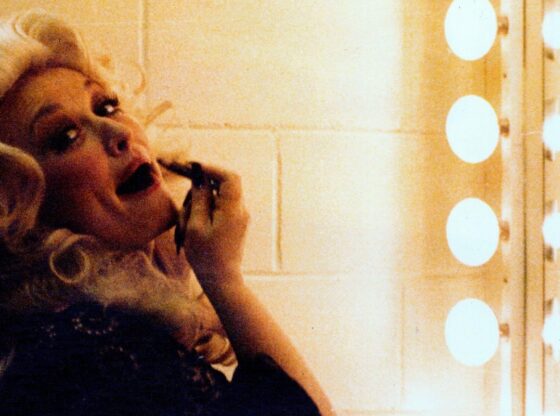

The Theology of Rhinestones: What Dolly Parton’s Persona Reveals About American Faith
Dolly Parton’s passing has prompted a flood of tributes, yet the deeper spiritual significance of her life remains largely unexamined. Born in a one-room cabin along the Little Pigeon River, she emerged from the emotional worship of the House of Prayer—a Pentecostal congregation where her grandfather preached—into a global phenomenon that transcended mere music.
Her trajectory embodies a distinctly American tension: the desire to transcend humble origins while remaining tethered to the faith that shaped them. Parton’s hyperreal presentation—the exaggerated blond hair, the surgical enhancements, the amplified Southern femininity—was not a rejection of her roots but a radical amplification of them. She became a living parable of how capitalism and spirituality interweave in the American imagination.
Despite diverging from the church’s rigid moral standards, Parton consistently affirmed that “a belief in God is essential. You have to believe in something bigger than yourself.” Her persona, often dismissed as artifice, functioned as a modern icon—a visible sign of an invisible grace that lifted a sharecropper’s daughter into a vessel of generosity, from the Imagination Library to countless philanthropic works.
In Parton, we witness the mystery of incarnation: spirit made manifest through the very materials of worldly ambition.