

The Mirror of the Reservation: Healing Through Narrative
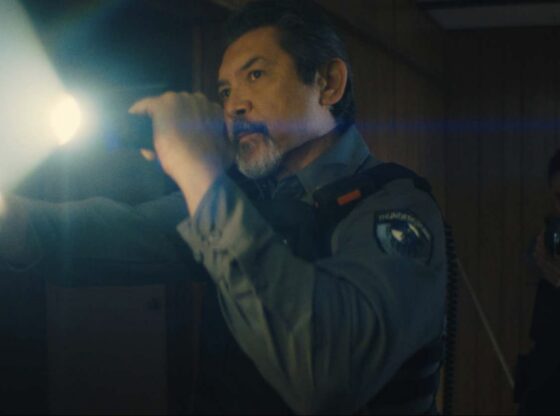
In the shadowed corridors of modern cinema, Lou Diamond Phillips’ portrayal of Officer Teddy Sharpe in “Gangland” transcends mere crime thriller tropes. As an executive producer and actor of Filipino, Scottish, and Cherokee heritage, Phillips uses this narrative to confront the spiritual dissonance plaguing Indigenous communities. The film does not simply depict violence; it examines the soul’s struggle when law intersects with ancestral trauma on drug-plagued reservations.
Phillips describes the work as “thought-provoking,” noting that audiences are “very touched” by its raw honesty. This emotional resonance suggests a collective yearning for stories that acknowledge pain without succumbing to despair. By centering Indigenous voices like Elisha Pratt (Pawnee) and Lane Factor (Muscogee Creek), the film becomes a vessel for cultural reclamation.
As Phillips tours festivals from Santa Fe to Los Angeles, he seeks more than entertainment; he offers a mirror. In reflecting the collision of past and present, the story invites viewers to witness the resilience of spirit amidst systemic chaos. It is a call to see the human behind the headline, finding redemption in the act of being truly seen.